



PT360 Services
Prenatal Physical Therapy Atlanta
Move comfortably, stay active, and
prepare your body for childbirth with
personalized physical therapy during
pregnancy.
Pregnancy brings incredible changes
to your body, but pain and difficulty
moving don’t have to simply be accepted
as part of the experience.
At PT360, Claudia Smith, PT, DPT provides
individualized prenatal physical therapy to
help address pregnancy-related pain,
maintain strength and mobility, and
prepare your body for the physical
demands of labor, delivery, and
postpartum recovery.
Feel Strong and Supported Throughout Your Pregnancy
As your baby grows, your body continually adapts.
Your center of gravity changes. Your abdominal muscles lengthen. Your pelvis and hips experience different loads. Your posture changes, and everyday activities that once felt easy may suddenly become uncomfortable.
These changes can contribute to back pain, pelvic pain, hip discomfort, SI joint symptoms, sciatica, and difficulty exercising or performing everyday activities.
Prenatal physical therapy provides individualized care designed around these changing demands so you can continue moving as comfortably and confidently as possible throughout your pregnancy.
What Is Prenatal Physical Therapy?
Prenatal physical therapy is specialized rehabilitation designed to address the musculoskeletal and movement changes that occur during pregnancy.
Rather than simply treating the location where you hurt, your physical therapist evaluates how your posture, core, hips, pelvis, breathing, strength, and movement are working together as your pregnancy progresses.
Treatment may help you:
✔ Reduce pregnancy-related pain
✔ Maintain mobility
✔ Improve strength
✔ Support your changing posture
✔ Improve core and pelvic stability
✔ Stay physically active
✔ Move more comfortably during daily activities
✔ Prepare physically for labor and delivery
✔ Establish a stronger foundation for postpartum recovery
Your treatment evolves along with your pregnancy.
Signs You May Benefit From Prenatal Physical Therapy
Consider scheduling an evaluation if you are experiencing:
✔ Low back pain
✔ Pelvic girdle pain
✔ SI joint pain
✔ Pubic symphysis pain
✔ Hip pain
✔ Sciatica
✔ Rib discomfort
✔ Difficulty walking comfortably
✔ Pain when changing positions
✔ Difficulty exercising
✔ Increased discomfort with standing or sitting
✔ Core weakness
✔ Changes in balance or stability
✔ Difficulty keeping up with normal daily activities
You don’t need to wait until you’re in significant pain to see a prenatal physical therapist. PT can also help you maintain strength, adapt your exercise routine, and prepare your body for the months ahead.
Pregnancy-Related Conditions We Treat
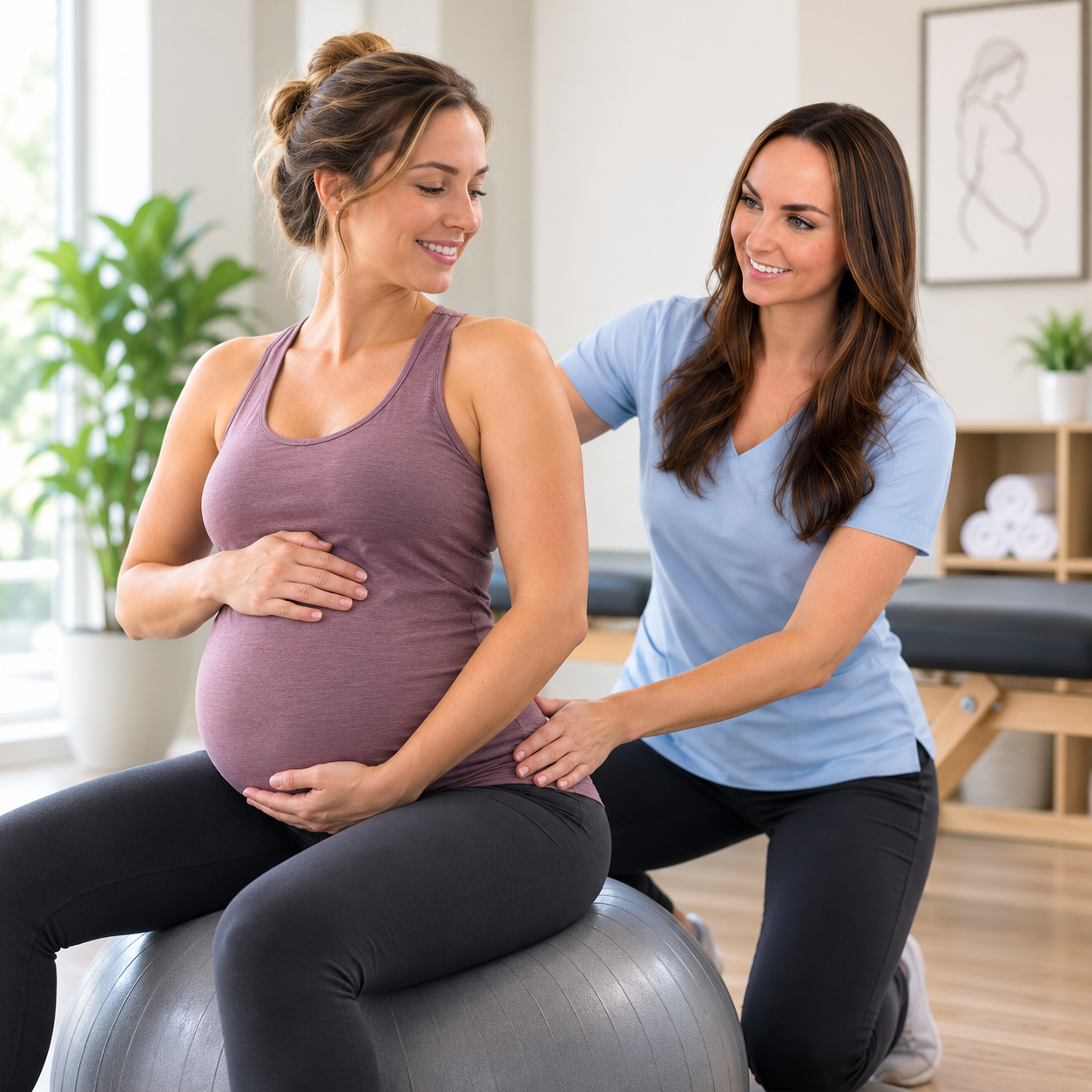
Pregnancy-Related Back Pain
As your body changes, increased demands on the muscles and joints surrounding your spine can contribute to low back discomfort.
Physical therapy can address posture, strength, mobility, and movement patterns to help reduce symptoms and make everyday activities more comfortable.
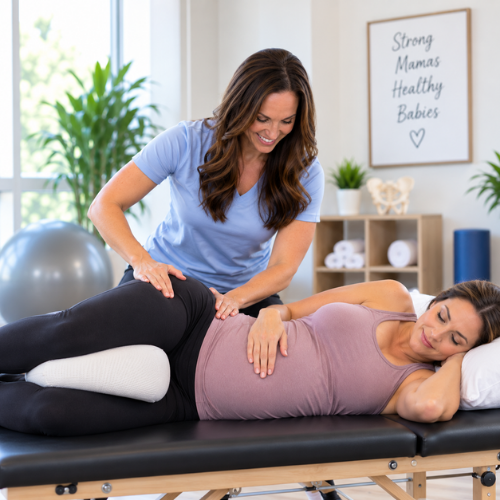
Pelvic Girdle & SI Joint Pain
Pain around the pelvis or SI joints can make walking, stairs, getting out of bed, standing on one leg, and other everyday movements uncomfortable.
Treatment focuses on improving strength, stability, movement, and strategies for reducing unnecessary stress through the pelvis.
Pubic Symphysis Pain
Some women experience pain toward the front of the pelvis where the two sides of the pelvis meet.
Prenatal PT can help identify movements that aggravate symptoms and use strengthening, movement modification, and other individualized strategies to improve comfort.
Pregnancy Sciatica
Pain that travels through the buttock or leg during pregnancy may be associated with irritation of the sciatic nerve or changes in the muscles and joints surrounding it.
Treatment depends on what’s contributing to your symptoms and may include mobility work, strengthening, movement modification, and hands-on treatment.
Hip Pain
Changes in posture, movement, sleeping positions, and the demands placed on the pelvis can contribute to hip discomfort during pregnancy.
Treatment can improve hip strength, mobility, and pelvic stability while helping you find more comfortable ways to move.
Core & Pelvic Floor Changes
Your abdominal and pelvic floor muscles adapt throughout pregnancy to support your growing baby.
Learning how to coordinate your core, pelvic floor, and breathing can help you move more effectively during pregnancy and create a useful foundation for delivery and postpartum recovery.
Physical Therapy for Back Pain During Pregnancy
Back pain is one of the most common physical complaints during pregnancy, but its cause can vary from person to person.
Changes in posture, abdominal strength, hip mobility, muscle demands, sleeping positions, and everyday movement can all contribute.
Rather than simply avoiding activity, physical therapy during pregnancy can help determine which movements are contributing to your symptoms and what your body needs to better tolerate the demands of pregnancy.
Treatment may include:
✔ Therapeutic exercise
✔ Hip and core strengthening
✔ Mobility exercises
✔ Postural strategies
✔ Movement modification
✔ Hands-on manual therapy when appropriate
✔ Home exercises
The goal is to help you remain as comfortable and active as possible while your body continues to change.
Staying Active During Pregnancy
Being pregnant doesn’t automatically mean giving up the activities you enjoy.
However, you may need to modify how you exercise as your body changes.
Claudia can help evaluate your current strength, movement, symptoms, and exercise routine and recommend appropriate modifications based on your individual needs.
Depending on your goals, prenatal PT can help you continue with activities such as:
✔ Walking
✔ Strength training
✔ Fitness classes
✔ Running when appropriate
✔ Recreational activities
✔ Everyday lifting
✔ Work-related activities
The objective isn’t to maintain your pre-pregnancy routine at all costs. It’s to find ways to keep moving safely and comfortably as your pregnancy progresses.
Preparing Your Body for Labor & Delivery
Prenatal physical therapy isn’t only about addressing discomfort. It can also help you better understand and prepare your body for labor and delivery.
Your sessions may incorporate:
Breathing Mechanics
Learn how your diaphragm, abdominal muscles, and pelvic floor work together during breathing and movement.
Pelvic Floor Awareness
Understand how to coordinate and relax your pelvic floor rather than focusing exclusively on strengthening it.
Pelvic Mobility
Explore movements and positions that promote comfortable movement through the hips and pelvis.
Labor Positions
Practice different positions and movement strategies you may find useful during labor.
Body Awareness
Learn how to recognize tension, coordinate breathing, and use your body more effectively.
Functional Strength
Maintain the strength and endurance needed for pregnancy, delivery, and the physical demands that come after your baby arrives.
Preparing for Postpartum Recovery Before Baby Arrives
Postpartum recovery actually begins with understanding your body before delivery.
During prenatal physical therapy, Claudia can help you learn strategies that may make the transition into the postpartum period easier, including:
✔ Core and pelvic floor awareness
✔ Safe movement strategies
✔ Breathing coordination
✔ Lifting mechanics
✔ Understanding early postpartum activity
✔ Recognizing symptoms that may warrant physical therapy after delivery
After your baby arrives, PT360 can continue your care through our dedicated Postpartum Physical Therapy program.
What to Expect at Your Prenatal Physical Therapy Evaluation
Your first visit with Claudia Smith, PT, DPT begins with a conversation about your pregnancy, symptoms, current activity level, previous pregnancies or injuries when relevant, and your goals.
Your evaluation may include:
✔ Posture and movement assessment
✔ Core strength and coordination
✔ Hip strength and mobility
✔ Pelvic stability
✔ Breathing mechanics
✔ Balance and functional movement
✔ Activities or exercises that currently cause discomfort
✔ Pelvic floor function when appropriate and with your informed consent
From there, Claudia develops a personalized treatment plan designed around your pregnancy, your symptoms, and your goals.
Your Personalized Prenatal Treatment Plan
Therapeutic Exercise
Maintain and build strength with exercises selected for your stage of pregnancy and individual needs.
Manual Therapy
Hands-on techniques may be incorporated to address muscle tension, mobility restrictions, and discomfort when appropriate.
Core & Pelvic Stability
Improve the coordination and strength of the muscles supporting your changing body.
Breathing & Pelvic Floor Training
Learn how breathing, core function, and the pelvic floor work together during pregnancy and movement.
Movement & Exercise Modification
Find more comfortable ways to perform everyday activities and modify exercise as your pregnancy progresses.
Home Exercise Program
Receive individualized exercises and strategies you can use between visits.
Meet Your Prenatal Physical Therapist
Claudia Smith, PT, DPT

Claudia Smith, PT, DPT provides personalized prenatal physical therapy for women throughout pregnancy.
Her one-on-one approach allows her to understand how pregnancy is affecting your body and develop a treatment plan focused on your symptoms, movement, activity level, and goals.
Claudia also provides specialized care in:
Women's Health Physical Therapy | Pelvic Floor Physical Therapy | Prenatal Physical Therapy | Postpartum Physical Therapy
Why Choose PT360 for Prenatal Physical Therapy?
✔ One-on-one treatment with your physical therapist
✔ Individualized pregnancy rehabilitation
✔ Private treatment rooms
✔ Women’s health and pelvic floor expertise
✔ Evidence-based treatment
✔ Exercise guidance tailored to your pregnancy
✔ Continued care available after delivery
✔ Convenient Atlanta-area locations
Frequently Asked Questions
Is physical therapy safe during pregnancy?
Physical therapy can be appropriate during pregnancy when treatment is tailored to your individual health, pregnancy, symptoms, and medical needs. Claudia will modify your treatment as necessary and coordinate with your healthcare team when appropriate.
When should I start prenatal physical therapy?
There isn’t one specific week when every woman should begin. Some women seek care when pain or movement difficulties develop, while others begin proactively to maintain strength, modify exercise, or prepare physically for labor and postpartum recovery.
Do I need to be in pain to see a prenatal physical therapist?
No. Prenatal PT can also help women who want guidance on exercise, movement, core and pelvic floor function, or preparing their bodies for delivery and postpartum recovery.
Can physical therapy help with pregnancy back pain?
Yes. Treatment can address factors such as strength, mobility, posture, core function, hip stability, and movement patterns that may be contributing to pregnancy-related back discomfort.
Can prenatal PT help with SI joint or pelvic girdle pain?
Yes. Your physical therapist can assess how your hips, pelvis, core, and movement patterns are functioning and develop an individualized plan to improve stability and reduce aggravating movements.
Can physical therapy help pregnancy sciatica?
Physical therapy may help when musculoskeletal or movement-related factors are contributing to sciatic-type symptoms. Your evaluation helps determine what’s causing or aggravating your symptoms and which treatment strategies are appropriate.
Can prenatal physical therapy prepare me for labor?
Prenatal PT can help you understand breathing mechanics, pelvic floor coordination, pelvic mobility, labor positions, and movement strategies that may be useful as you prepare for childbirth.
Can I continue physical therapy after I have my baby?
Absolutely. PT360’s Postpartum Physical Therapy program can help address core weakness, diastasis recti, C-section recovery, pelvic floor symptoms, pain, and your return to exercise after delivery.
Feel Your Best Throughout Pregnancy
Pregnancy changes your body, but you don’t have to navigate those changes alone.
Whether you’re experiencing back pain, pelvic discomfort, sciatica, difficulty exercising, or simply want to prepare your body for labor and postpartum recovery, prenatal physical therapy can help you move forward with greater strength and confidence.
Schedule your Prenatal Physical Therapy Atlanta evaluation with Claudia Smith, PT, DPT at PT360.