



PT360 Services
Pelvic Floor Physical Therapy Atlanta
Pelvic floor symptoms can affect your comfort,
confidence, and quality of life, but they don’t have
to become your new normal.
At PT36, Claudia Smith, PT, DPT, provides compassionate,
one-on-one Pelvic Floor Physical Therapy in a private,
supportive setting.
Whether you’re experiencing urinary leakage, pelvic pain,
prolapse symptoms, constipation, or postpartum pelvic
floor weakness, we’ll develop a personalized treatment plan
designed to help you move comfortably and regain
confidence in your daily life.
What Is Pelvic Floor Physical Therapy?
Pelvic floor physical therapy is a specialized form of rehabilitation that focuses on improving the strength, flexibility, coordination, and function of the muscles that support your bladder, bowel, and pelvic organs.
Working with a pelvic floor physical therapist can help address symptoms such as urinary leakage, pelvic pain, constipation, pelvic pressure, and postpartum weakness through personalized treatment that may include exercise, manual therapy, breathing coordination, movement retraining, and education.
What Does the Pelvic Floor Do?
Your pelvic floor is a group of muscles and connective tissues that form a supportive “hammock” at the base of your pelvis. These muscles work continuously throughout the day to:
✔ Support the bladder, uterus, and bowel
✔ Help maintain bladder and bowel control
✔ Assist with sexual function
✔ Stabilize your pelvis and lower back
✔ Coordinate with your diaphragm and core muscles during movement
When these muscles become weak, overactive, or lose proper coordination, pelvic floor dysfunction can develop.
Conditions We Treat
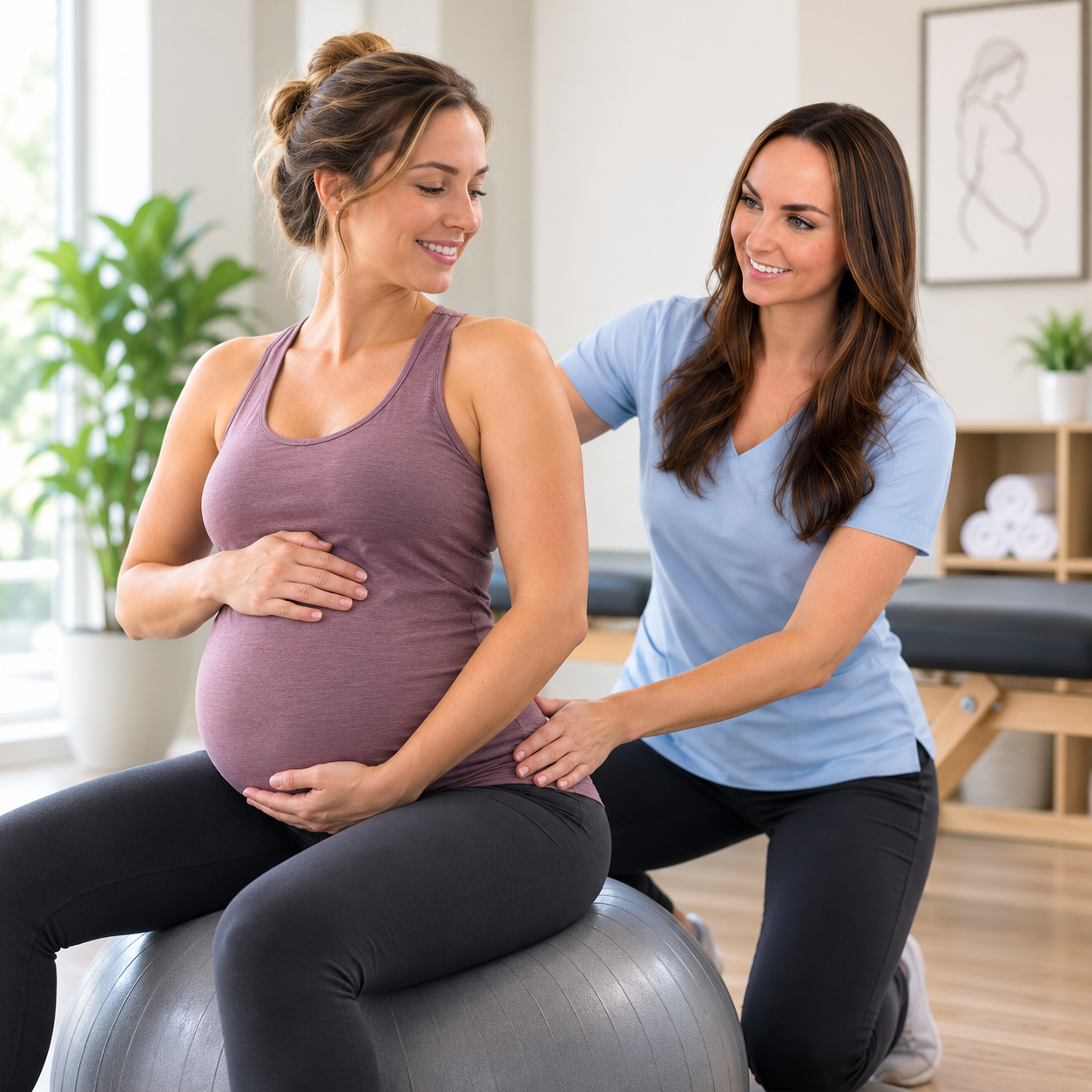
Prenatal Physical Therapy
As your body changes during pregnancy, muscles, joints, and posture continually adapt to support your growing baby. Prenatal physical therapy can help relieve discomfort, improve movement, and prepare your body for labor and delivery.

Postpartum Physical Therapy
Recovery doesn’t end after childbirth. Postpartum physical therapy focuses on rebuilding strength, restoring core stability, improving movement, and helping you safely return to exercise, work, and daily activities after delivery.
Diastasis Recti Rehabilitation
Pregnancy can cause the abdominal muscles to separate, a condition known as diastasis recti. While some separation is normal during pregnancy, it may persist after childbirth and contribute to core weakness, low back pain, poor posture, and difficulty returning to exercise.
At PT360, Claudia provides personalized rehabilitation to help restore core strength, improve abdominal muscle coordination, and safely guide you back to everyday activities and fitness.
Treatment may include:
- Core stabilization exercises
- Breathing coordination
- Functional movement training
- Safe return to exercise
- Education on proper lifting and daily movement
C-Section Recovery
Recovering from a Cesarean birth involves much more than allowing the incision to heal. Scar tissue, abdominal weakness, changes in posture, and altered movement patterns can all affect your recovery.
Pelvic floor physical therapy can help you safely regain strength, improve mobility, and return to your normal activities with greater confidence.
Treatment may address:
- Scar mobility
- Core muscle activation
- Abdominal weakness
- Postural changes
- Hip and low back discomfort
- Safe lifting mechanics
- Return to exercise and daily activities
Pelvic Pain
Pelvic pain can interfere with everyday activities, exercise, and intimacy. Our goal is to identify the underlying cause and develop a personalized treatment plan to improve comfort and function.
A single condition does not always cause pelvic pain. Tight, weak, or poorly coordinated pelvic floor muscles can contribute to ongoing discomfort in the pelvis, hips, tailbone, or lower back. Pelvic floor physical therapy focuses on restoring normal muscle function so you can move with greater comfort and confidence.
Common conditions include:
- Chronic pelvic pain
- Pain during intercourse
- Pelvic floor muscle tension
- Tailbone pain
Urinary Dysfunction
Whether you experience occasional leakage when laughing or coughing or struggle with frequent urgency, pelvic floor physical therapy can help improve bladder control and restore confidence.
We commonly treat:
- Stress urinary incontinence
- Urge urinary incontinence
- Urinary urgency and frequency
- Difficulty emptying the bladder
Pelvic Organ Support
Weakness or changes in the pelvic floor can reduce support for the pelvic organs, leading to feelings of pressure or heaviness.
Treatment may help with:
- Pelvic organ prolapse
- Pelvic pressure
- Pelvic heaviness
- Feeling of vaginal bulging
Bowel Dysfunction
The pelvic floor plays an important role in healthy bowel function. When these muscles don’t coordinate properly, constipation and difficulty with bowel movements can occur.
We treat:
- Chronic constipation
- Difficulty emptying the bowels
- Pelvic floor coordination disorders
Signs You May Benefit from Pelvic Floor Physical Therapy
You don’t need to “just live with” pelvic floor symptoms. Many women seek pelvic floor rehabilitation because they experience:
- Urinary leakage when coughing, sneezing, laughing, or exercising
- Frequent urinary urgency
- Difficulty emptying the bladder
- Constipation
- Pelvic pain
- Pain during intimacy
- Pelvic pressure or heaviness
- Tailbone pain
- Pain after childbirth
- Pelvic discomfort during exercise
- Ongoing hip or low back pain related to pelvic floor dysfunction
If any of these symptoms sound familiar, a comprehensive evaluation with a pelvic floor PT can help identify the underlying cause and determine the most appropriate treatment.
What Causes Pelvic Floor Dysfunction?
Pelvic floor dysfunction can develop for many reasons, including:
✔ Pregnancy and childbirth
✔ Menopause
✔ Aging
✔ Pelvic surgery
✔ Chronic constipation
✔ Heavy lifting
✔ High-impact athletics
✔ Repetitive strain
✔ Poor breathing mechanics
Core weakness
Understanding the underlying cause allows your pelvic floor therapist to create a treatment plan tailored to your needs and goals.
What to Expect During Your Evaluation
Every evaluation with Claudia Smith, PT, DPT begins with a detailed conversation about your symptoms, goals, and medical history.
Your assessment may include:
✔ Posture and movement analysis
✔ Core strength
✔ Hip and pelvic stability
✔ Breathing mechanics
✔ Functional movement
✔ Pelvic floor assessment (only when appropriate and always with your informed consent)
Your comfort and privacy are always respected.
Your Personalized Treatment Plan
Manual Therapy
Gentle hands-on techniques to improve mobility and reduce muscle tension.
Therapeutic Exercise
Targeted exercises that improve pelvic floor strength, coordination, and endurance.
Core Retraining
Restore the connection between your abdominal muscles, diaphragm, and pelvic floor.
Breathing Coordination
Improve muscle activation through proper breathing mechanics.
Functional Strengthening
Safely return to exercise, work, sports, and everyday activities.
Home Exercise Program
Continue making progress between appointments with personalized exercises.
Meet Your Pelvic Floor Physical Therapist
Claudia Smith, PT, DPT

Claudia Smith, PT, DPT, provides individualized Pelvic Floor Physical Therapy Atlanta patients can trust. She works one-on-one with every patient, developing personalized rehabilitation plans based on their symptoms, lifestyle, and goals.
Her compassionate, evidence-based approach helps women improve movement, reduce discomfort, and regain confidence while receiving care in a private, supportive environment.
Why Choose PT360?
✔ One-on-one appointments with your physical therapist
✔ Private treatment rooms
✔ Individualized care plans
✔ Evidence-based pelvic floor rehabilitation
✔ Convenient Sandy Springs and Buckhead locations
✔ Compassionate, personalized care
Frequently Asked Questions
What is pelvic floor physical therapy?
Pelvic floor physical therapy is specialized rehabilitation that improves the function of the muscles supporting the bladder, bowel, and pelvic organs. Treatment is tailored to your symptoms and goals.
Is pelvic floor therapy only for women after pregnancy?
No. Women of all ages may benefit from pelvic floor therapy for urinary leakage, pelvic pain, prolapse, constipation, or other pelvic health concerns.
Will I have an internal examination?
Only if it is appropriate for your condition and only with your informed consent. Your therapist will explain the assessment beforehand and answer any questions you may have.
Can pelvic floor therapy help urinary leakage?
Yes. Many women experience significant improvement in bladder control through personalized pelvic floor rehabilitation.
Can pelvic floor therapy help pelvic organ prolapse?
Physical therapy can often help improve muscle support, reduce symptoms, and improve function for many women experiencing prolapse.
Is pelvic floor therapy painful?
Treatment is designed to be comfortable and respectful. Claudia adjusts each session to your comfort level and individual needs.
How many appointments will I need?
Every treatment plan is individualized. After your evaluation, your therapist will recommend a plan based on your symptoms, goals, and progress.
Do I need a referral?
No, the state of Georgia allows for direct access to Physical therapy for the first 8 visits or 30 days. We handle referrals from your doctor after that.
Begin Your Recovery Today
You don’t have to let pelvic floor symptoms keep you from living the life you enjoy.
Whether you’re dealing with urinary leakage, pelvic pain, prolapse, postpartum recovery, or chronic pelvic floor dysfunction, Claudia Smith, PT, DPT, is here to help with compassionate, one-on-one care.
Schedule your Pelvic Floor Physical Therapy evaluation at PT360 and take the first step toward improved comfort, confidence, and function.